
10 Ways to Explore the History of Classic Firearms
The evolution of classic firearms is deeply intertwined with the evolution of manufacture, engineering, artistry, and American history. For collectors and aficionados, studying these firearms can help to uncover the history behind their design during different periods.
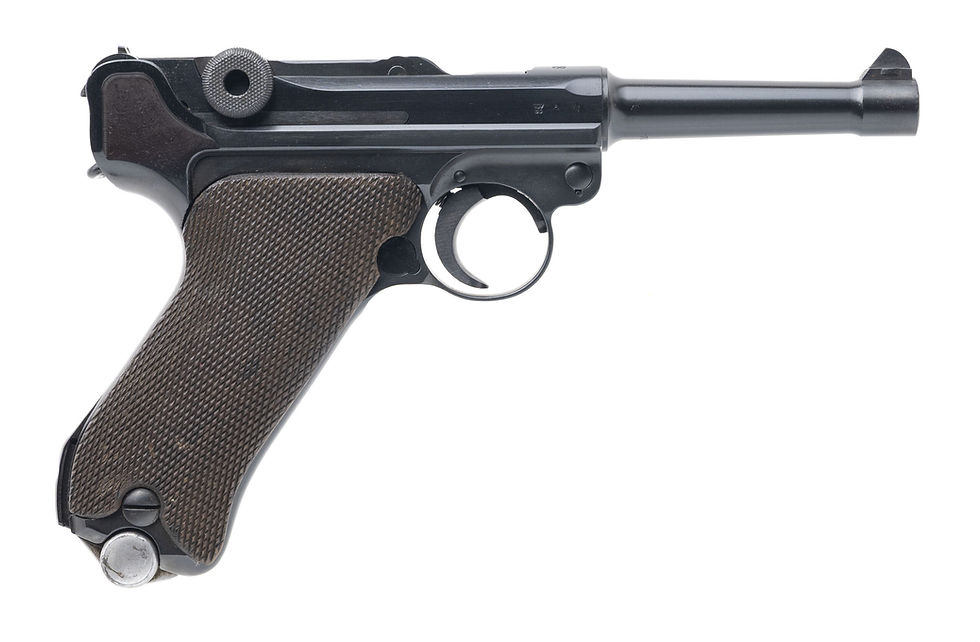
Whether historic handguns, vintage rifles, or commemoratives, each firearm has a unique story to tell. Additionally, a specialty firearms dealer may be able to provide access to firearms from different classes and explain their history.
There are 10 ways to study classic firearms and their collection potential.
1. Learn About Major Manufacturers
Among the simplest ways for starting your exploration on firearms history is through studying manufacturers of guns. There are numerous gun manufacturers such as Colt, Winchester, Smith & Wesson, and many other companies which have made designs that are known to gun collectors. History of the manufacturer may provide you with information about development of the design.
2. Explore Different Historical Periods
Traditional weapons cover a lot of years, and each era had its specificities. One can notice differences in the manufacturing process, technologies used, preferences, and materials from different times. It is very useful for collectors to compare the examples of weapons from various eras to learn more about the development of their design.
3. Discover the Stories Behind Vintage Handguns
Handguns can represent an especially interesting area of collecting. Some examples are appreciated for their age, manufacturer, design, rarity, or historical context.
People researching handguns for sale may encounter both modern examples and older collectible pieces. Learning about the history of a particular model can add context beyond its physical appearance.
4. Study the Details That Distinguish Models
Tiny things can go a long way in understanding old-fashioned guns. Such things as markings, finishes, manufacturing qualities, variations in models, and other such factors can help in telling one gun from another. For a collector, these little things may become the interesting part of research work.
5. Explore Antique and Collectible Categories
Collectibles have a diverse range of categories. Collectible handguns, collectible long guns, historical rifles, commemorative guns, and other collectibles may all have their own appeals. Trying out several categories may aid newcomers in identifying the categories that interest them the most.
6. Research the Importance of Condition
Condition is also something that people collect firearms for. The condition, preservation, originality, markings, finishing, and modifications could be contributing to the evaluation of an item. Knowledge about these aspects will be useful in understanding why two seemingly identical items may be of different collector value.
7. Look Into Provenance and Documentation
Documentation can provide useful historical information about the collectible. Historical records, pictures, information from the manufacturer, and other historical material could be used to verify the history of the collectible. While looking into a specific collectible, finding out about the available documentation could help in gaining additional information about it.
8. Visit a Specialized Gun Shop in Dallas
Using online sources for research may be quite helpful; however, one may get a totally different experience from visiting a particular gun shop in Dallas.
Collectors Firearms is a part of Dallas collector community that has been operating since 1975. This store offers a variety of categories such as antique guns, collectible guns, rifles, handguns, and even commemoratives. Viewing various items live helps to compare different periods, manufacturers, designs, and categories of collecting.
9. Build a Collection Around a Theme
It is not necessary for collectors to collect everything. Collectors usually choose one specific manufacturer, time period, category, or design that they would like to collect.
A thematic collection makes researching easier and builds a bond between the objects collected. For instance, people who like collecting items regarding the history of manufacturing in America will try to collect specific items.
10. Keep Learning as Your Interests Develop
The most exciting aspect about collecting antique guns may be learning continually. Books on history, museum archives, authoritative sources, factory information, and knowledgeable gun dealers could aid in building expertise in the area. With time, as the interests change, collectors may realize different manufacturers, eras, and types that were not initially in their considerations.
Exploring Classic Firearms in Dallas
Classic firearms allow for the hands-on investigation of history, artistry, manufacturing process, and technological advances. Any firearm will be unique because there are certain features which may be interesting about a specific firearm based on its manufacturer, age, construction, condition, or background.
For those who conduct research into pistols and other guns to purchase, a study of antique examples can provide historical background knowledge and information on various makers and series of guns.
For individuals who wish to explore different categories of guns personally, one can visit a specialized firearms store in Dallas, Texas, like Collectors Firearms, which offers a wide variety of both old and new inventory.
For both veterans and novices alike, the study of classic firearms through research can be quite beneficial. Prospective buyers and collectors should always familiarize themselves with the relevant laws related to gun ownership.


Comments